
You love hosting, but when you try to grill for large crowds you end up glued to the grill the whole time. That’s the problem this guide fixes: clear, practical steps so you can grill for large crowds without constant supervision. You’ll learn how to plan, set up, and cook in ways that let you mingle while everything finishes itself.
Follow these steps to prep smart, use heat zones, choose hands-off recipes, and set safe monitoring systems so you’re free to enjoy the party.
What You'll Need (tools and supplies for crowd grilling)
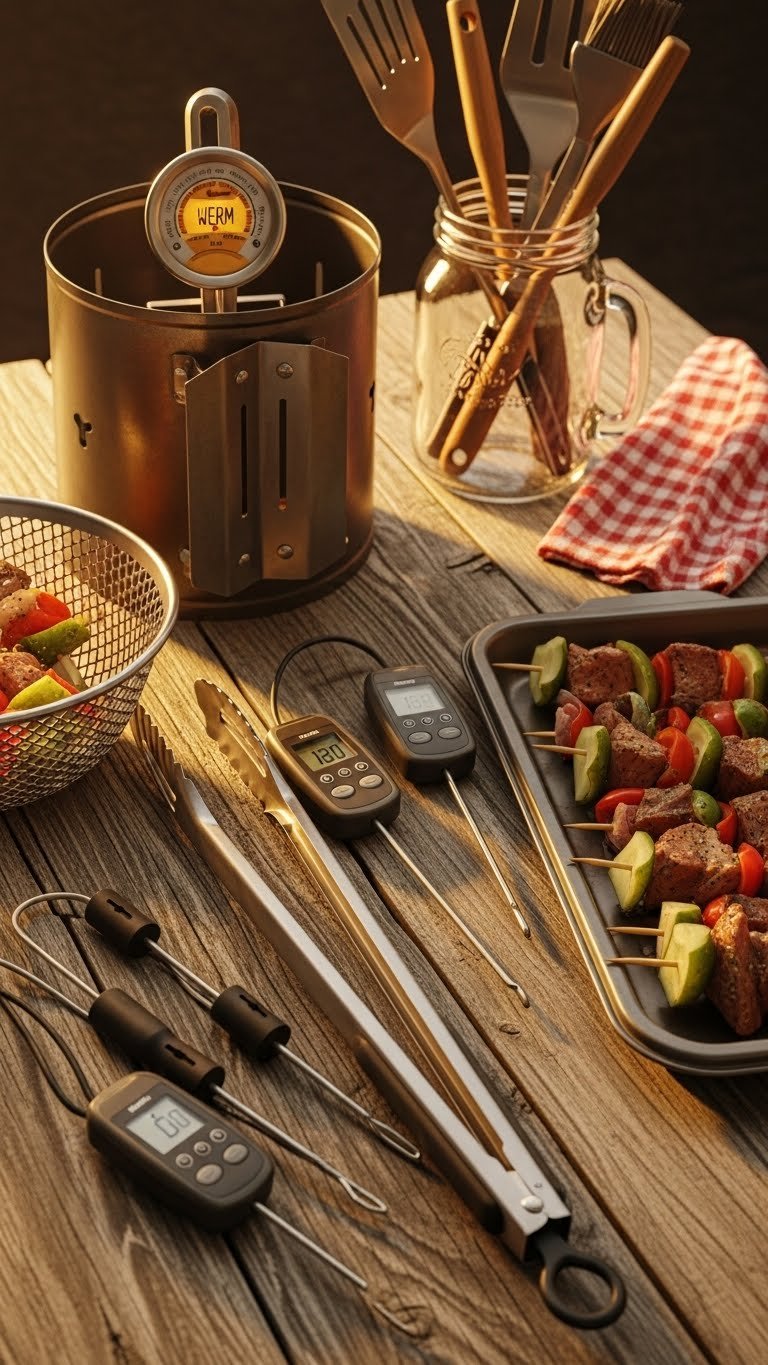
Start by assembling gear so you’re not hunting for a tool while guests arrive. Having the right equipment makes it easy to grill for large crowds with minimal babysitting.
- Tools: long tongs, two spatulas, grill brush, charcoal chimney or full propane tank, 4–6 instant-read meat probes, foil pans.
- Extras: a digital thermometer with probe alarms, heatproof gloves, and a drip pan.
- Prep items: skewers, burger press, marinade containers, and parcel-friendly foil.
Quick tips:
- Test your digital probes before guests arrive and set alarms at target temps.
- Group similar foods on trays so you can load and unload the grill quickly.
- Keep an area for finished foods under a tented foil to keep warm.
Plan Your Cooking Timeline (batching and temps)
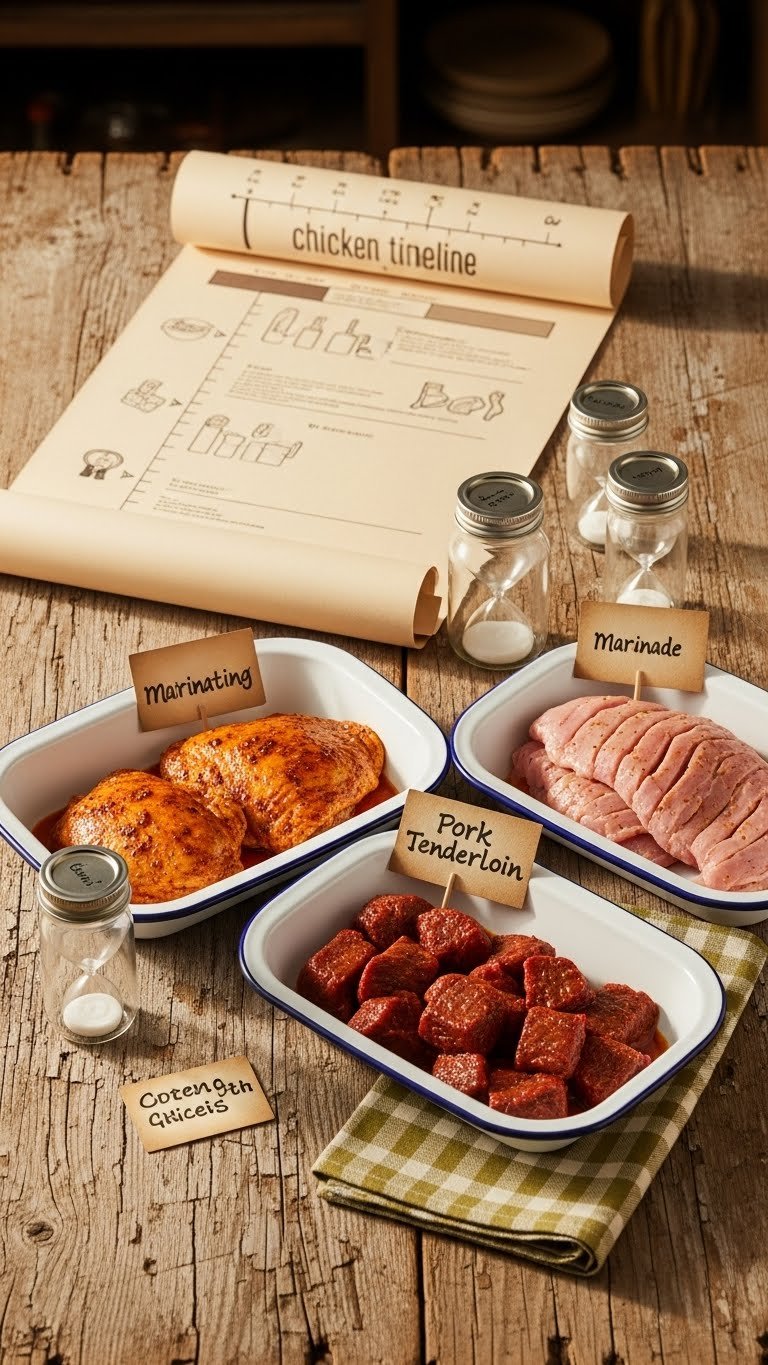
Saving time starts with a smart timeline so you can cook in batches and stagger pulls.
- Aim to start items that take the longest first: whole chickens (1.5–2 hours indirect), bone-in pork chops (25–35 minutes), large brisket or roasts (several hours, use low and slow).
- Quick items: burgers (8–10 minutes), hot dogs (6–8 minutes), veggies on skewers (10–12 minutes).
- Use this sequence:
- Heat grill and set direct and indirect zones at 350–400°F for mixed cooking.
- Put long cooks on indirect heat.
- Add quick cooks in batches 20–30 minutes before serving windows.
Pro tip: par-cook larger items in the oven or smoker, then finish on the grill for flavor. That reduces monitoring time at the grill.
Set Up for Low-Maintenance Grilling (zones, staging, and safety)
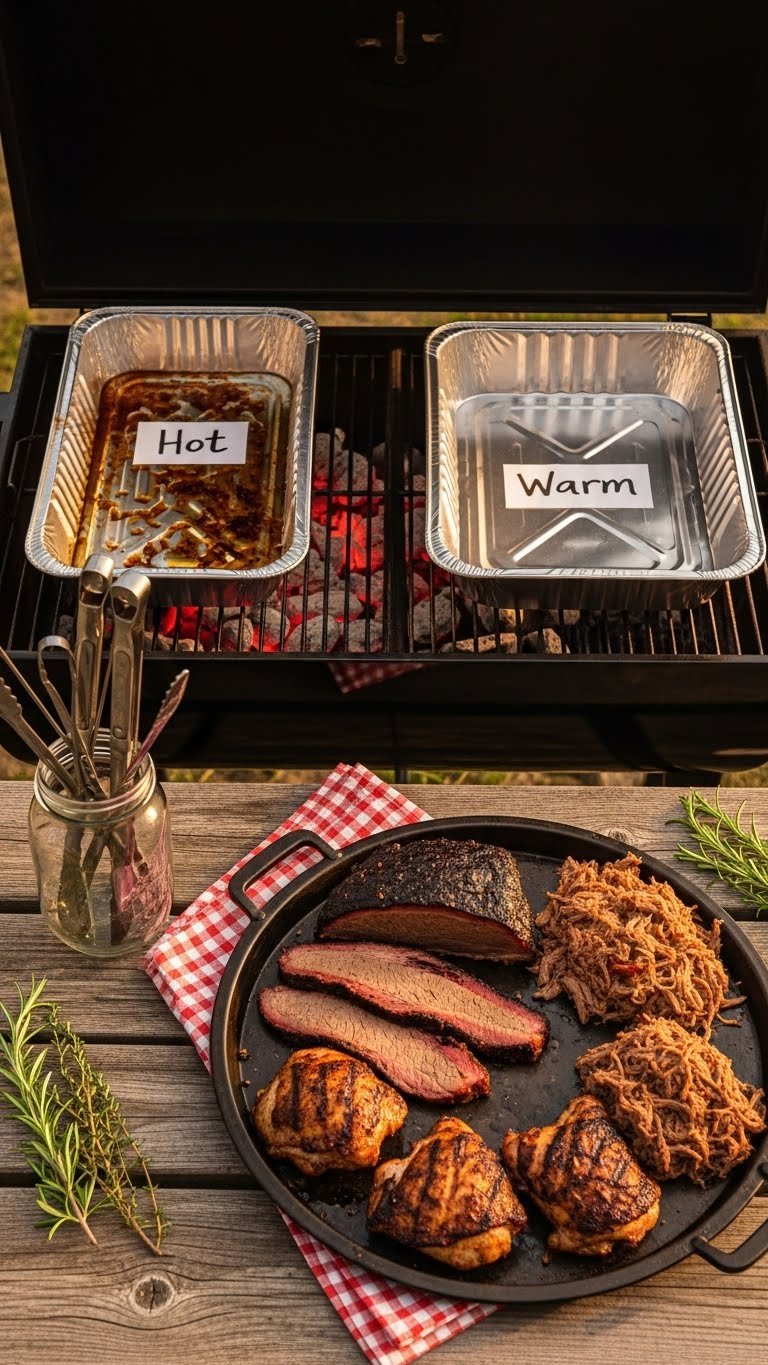
Create a workflow at the grill so you rarely need to hover.
- Build heat zones: a high-heat area for searing and a cooler area for finishing.
- Stage supplies in this order: raw→grill→rest→serve. Use dedicated trays to avoid cross-contamination.
- Use foil packet sides and heavy-duty pans to hold items with minimal tending.
- Employ tools that reduce babysitting:
- Probe thermometers with wireless alerts.
- A lid with a built-in thermometer and a vent you can adjust from a distance.
- Grill baskets for small veggies that you can shake occasionally.
Safety reminders:
- Keep a spray bottle for flare-ups and a metal lid nearby to smother flames.
- Never leave children or pets near the grill area.
Hands-Off Cooking Strategies (recipes and final tips)

Choose recipes that tolerate brief unattended moments and finish with resting time.
- Best hands-off options:
- Whole chicken spatchcocked: roasts evenly in 45–60 minutes.
- Thick-cut pork shoulder steaks: low and slow, then sear for 2 minutes each side.
- Kabobs with denser veggies (potato, pepper, onion) that keep heat.
- Make-ahead shortcuts:
- Marinate proteins the night before.
- Pre-slice and par-cook potatoes and root veggies.
- Keep buns and sauces in covered trays near the grill so guests self-serve.
Common mistakes to avoid:
- Overcrowding the grate—leave space for air flow.
- Ignoring probe alarms—set them 5°F below your target, then rest meat.
- Forgetting to tent rested meat; it keeps juices and reduces repeat trips to the grill.
Finish by plating in batches and setting a self-serve station so guests help themselves while you relax.
You’ve got a clear path to grill for large crowds without constant supervision. With the right tools, a timed plan, and a few hands-off recipes, you can enjoy the party while the food finishes itself. Pin this guide for your next backyard bash, save it for later, and share with a friend who’s hosting—which tip will you use first? Ready to make this happen? Let’s do it!