
You’re planning a shower and want food that feels beautiful and thoughtful. Sourcing local shower food for sustainable celebrations saves emissions, supports small farms, and gives guests fresher flavors you’ll love. This guide shows how to find, order, and style local bites so your spread looks intentional and tastes seasonal.
You’ll learn what to buy, where to buy it, how much to order, and simple set-up tips. Follow these steps and you’ll source local shower food for sustainable celebrations with confidence and minimal stress.
What You'll Need (ingredients + tools)

Start by listing what you want from local vendors. Aim for a mix of protein, veg, carbs, and one sweet item. Plan 6–8 bite-sized items per guest for a two-hour event.
Must-have items:
- Seasonal vegetables for crudités and roasted platters
- Artisanal bread or crackers (1 loaf per 6–8 guests)
- Local cheese (1 lb per 8 guests) and cured meats if local
- Dips and spreads like herb labneh, beet hummus
- One dessert from a local baker (e.g., 2 dozen cookies for 24 guests)
Tools and serving:
- Wooden boards, glass jars, linen napkins
- Small labels and eco-friendly utensils
- Coolers or ice packs for perishable items
Planning and Preparation (timing + quantities)
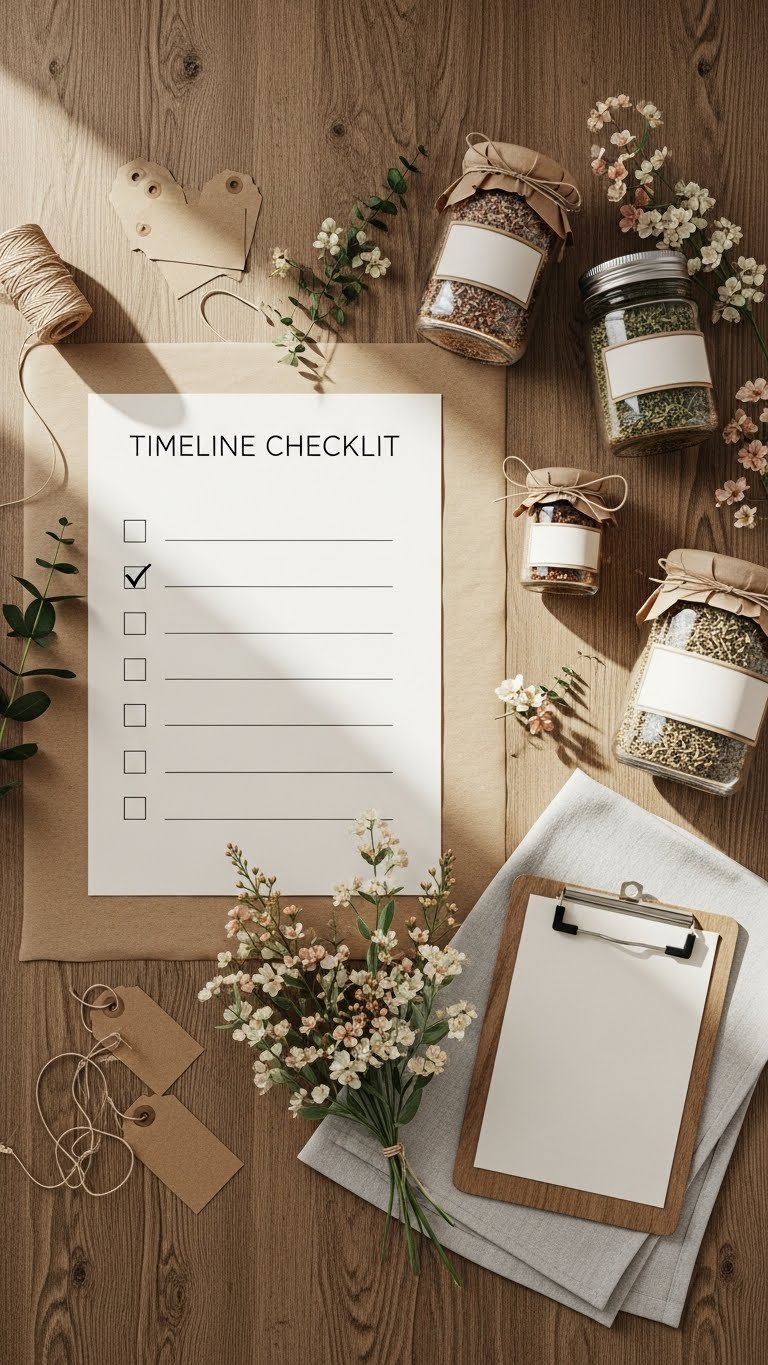
Start planning 4–6 weeks ahead for busy seasons. Farmers, bakers, and caterers book fast. If you’re ordering from a farm or CSA, contact them 3–4 weeks before the shower.
Quick timeline:
- 6 weeks: Draft menu and guest count.
- 4 weeks: Contact local vendors; reserve produce and baked goods.
- 1 week: Confirm quantities and pick-up/delivery times.
- 1–2 days: Pick up chilled items and store properly.
Quantity tips:
- Always round up by 10–15% for unexpected guests.
- Offer vegetarian and gluten-free options.
- Ask vendors for portion recommendations based on your guest count.
Sourcing and Ordering Local Foods (where and how)
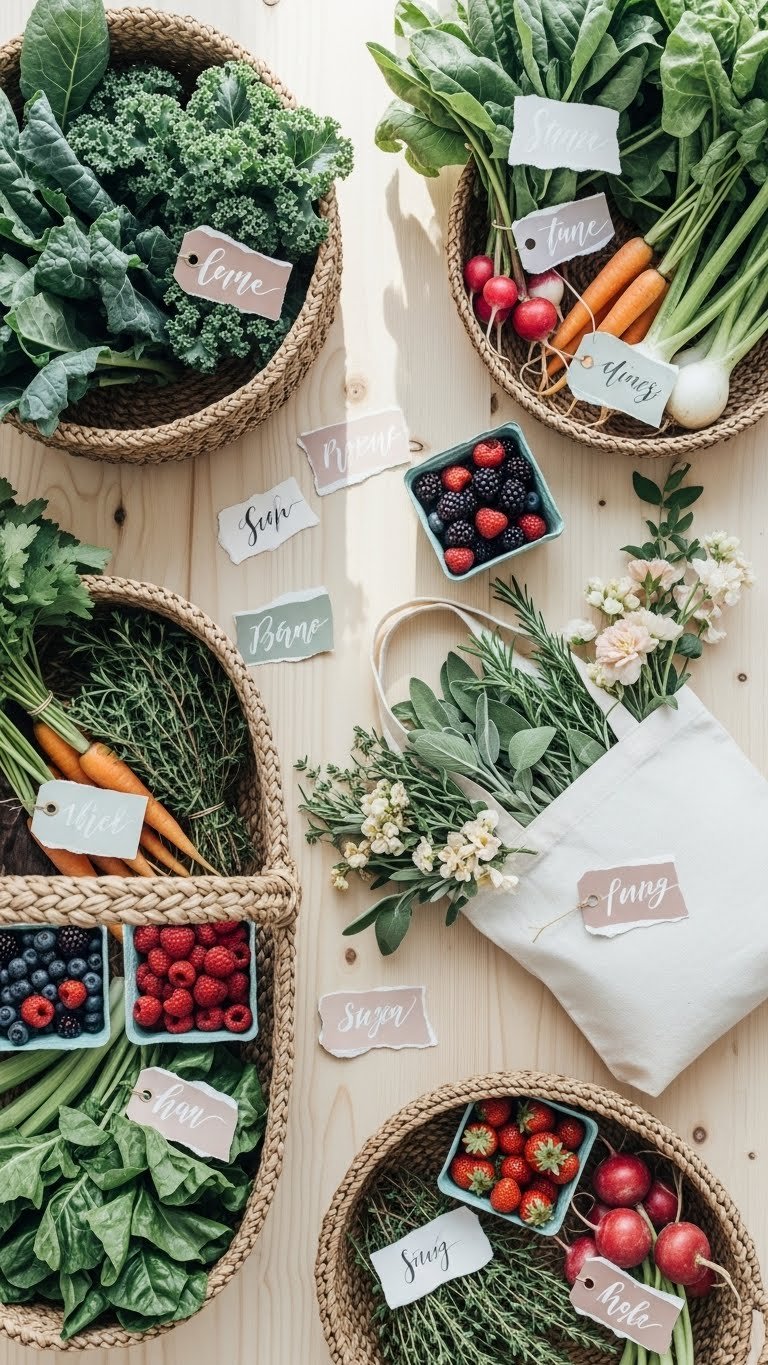
Look beyond whole-food stores. Good local sources:
- Farmers’ markets — great for seasonal produce.
- Local bakeries — for breads and cookies.
- Farm stands or CSAs — for larger orders.
- Small-scale caterers or co-ops — for platters.
Questions to ask vendors:
- “Can you provide X quantity on date?” (be specific)
- “How were these items grown or raised?” (organic, pasture-raised)
- “Do you offer delivery or drop-off?” (note fees)
- “Can you label ingredients for guests with allergies?”
Pro tip: Request minimal packaging or recyclable containers to cut waste.
Setting Up Your Shower Food Station (styling + flow)
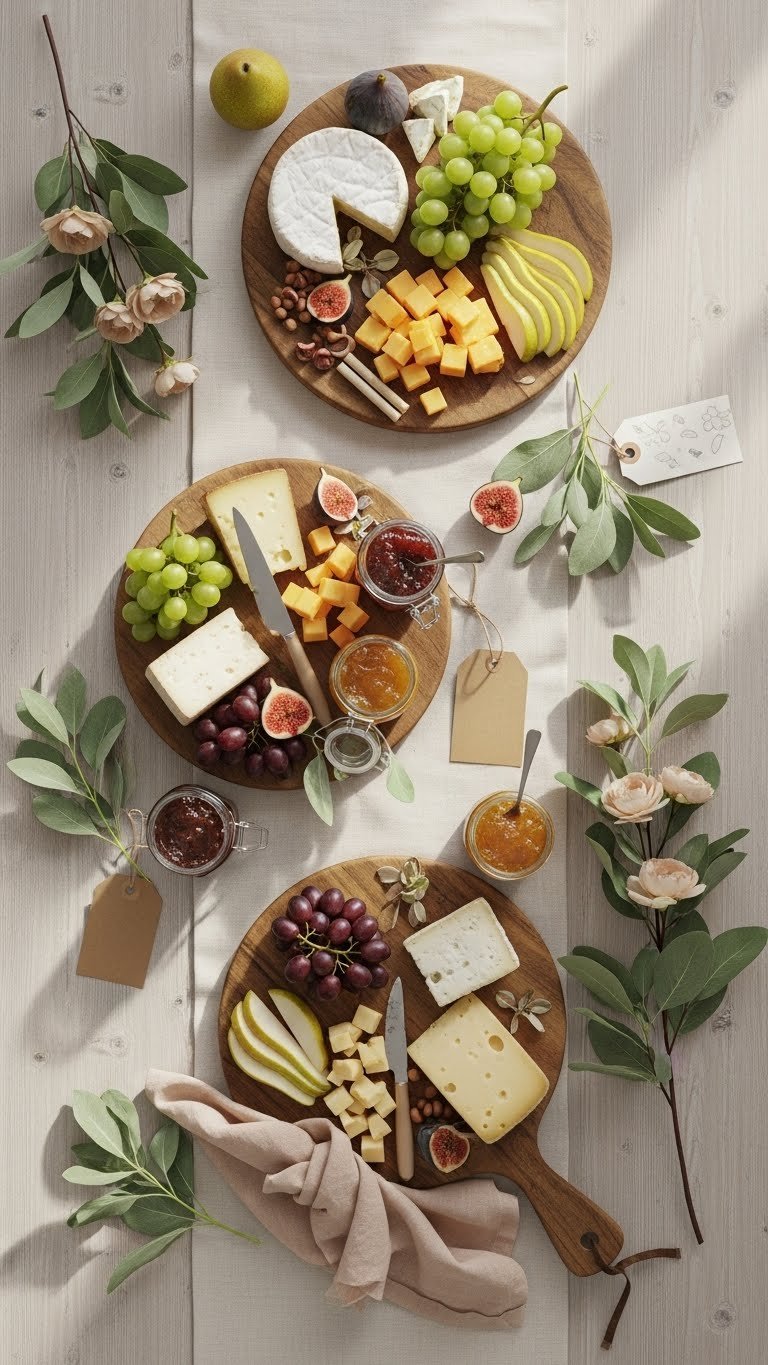
Create a simple, efficient layout so guests can self-serve without crowding. Use height and texture:
- Place boards and platters at different heights.
- Group items by type: savory, sweet, drinks.
- Include small signs or tags with farm names and ingredients.
Set-up steps:
- Allocate a work surface and a guest flow path.
- Arrange plates, napkins, and utensils at the start.
- Refill in 20–30 minute intervals during the event.
Warning: Keep perishable items chilled until 15 minutes before serving.
Serving and Storage Tips (make-ahead + waste reduction)
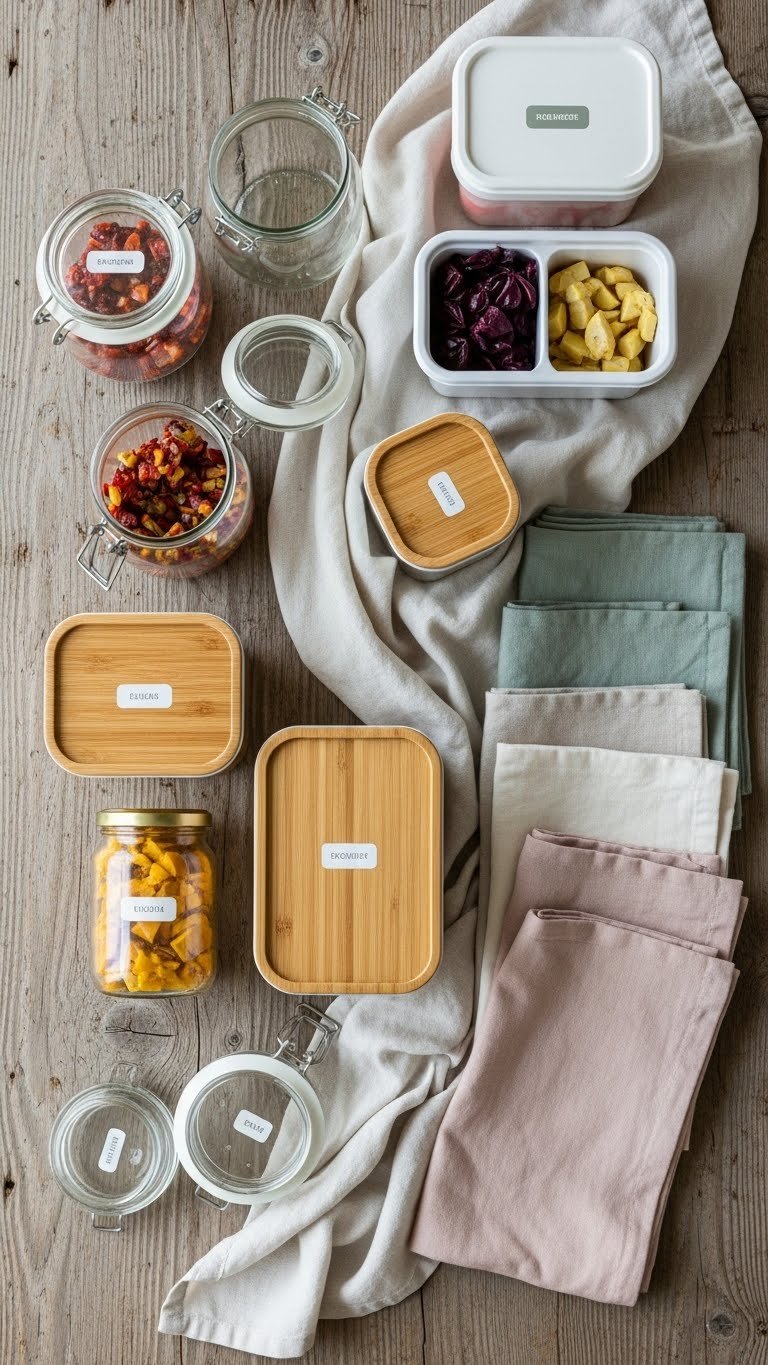
Make as much as you can the day before. Chill cheeses and dips properly. Label leftovers with date and contents.
Storage and waste tips:
- Refrigerate dips and cheeses within 2 hours.
- Freeze extra bread or cookies for later.
- Provide compost bins and recycling stations.
- Donate unopened items to a local shelter when possible.
Time-saving shortcut: Ask a vendor to pre-slice cheeses or pre-portion dips.
You now have a clear plan to source local shower food for sustainable celebrations. This approach keeps food fresh and meaningful while supporting local producers. Pin this guide for your next shower and share it with friends who care about food and the planet. Which sourcing tip will you try first?